
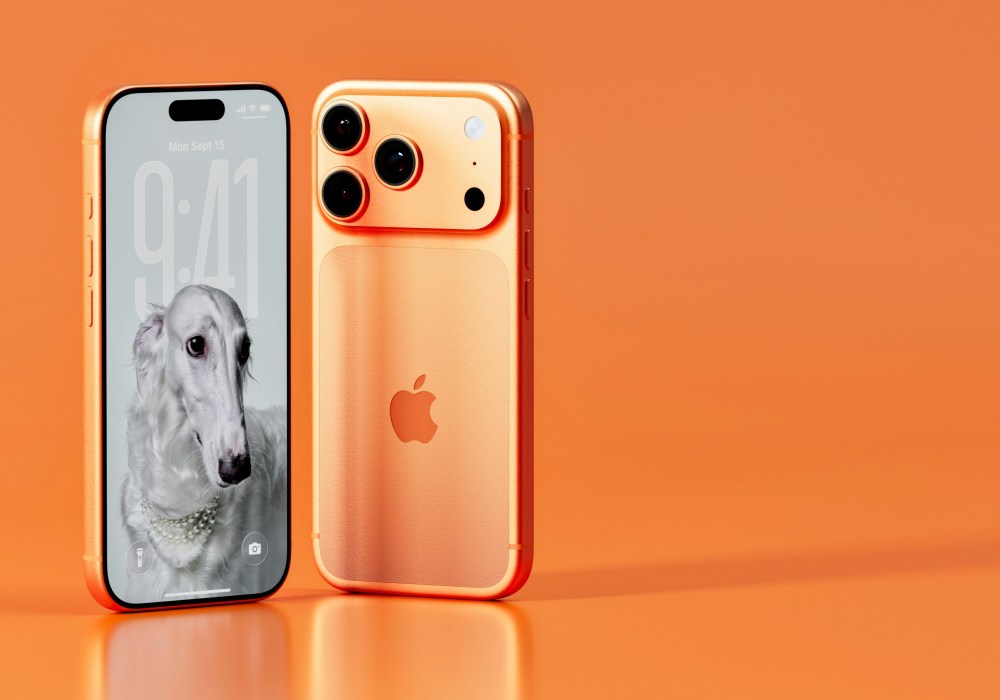
If your current iPhone is starting to feel its age, the iPhone 17 is probably on your shortlist, with last year’s iPhone 16 sitting right next to it as the cheaper option. The 17 has been out since September 2025, so this is not about chasing a brand new launch. It is about whether it is worth upgrading now, which of the two makes more sense for you, and whether you would be better off holding on for the iPhone 18.
We had a good look at both phones, checked the spec sheets, and laid out the real differences in plain terms. We will also get into the iPhone 18 question, because the timing this year is not quite what you might expect.
The short answer
For most people who want to upgrade today, the iPhone 17 is the one to go for if you care about the newer screen and the better front camera, while the iPhone 16 is the smarter pick if you want to spend less on a phone that still does the job brilliantly. As for waiting on the iPhone 18, the timing makes that a harder sell this year, and we explain why further down. Either way, buying refurbished is where the real value sits.
iPhone 16 vs iPhone 17 at a glance
| Feature | iPhone 16 | iPhone 17 |
|---|---|---|
| Launched | September 2024 | September 2025 |
| Screen | 6.1 inch OLED, 60Hz | 6.3 inch OLED, 120Hz ProMotion |
| Always on display | No | Yes |
| Peak brightness | 2000 nits | 3000 nits |
| Front glass | Ceramic Shield | Ceramic Shield 2, glare reducing |
| Chip | A18 | A19 |
| Apple Intelligence | Yes | Yes |
| Rear cameras | 48MP main + 12MP ultrawide | 48MP main + 48MP ultrawide |
| Front camera | 12MP | 18MP Center Stage |
| Battery | 3561 mAh | 3692 mAh |
| Wired charge to 50% | Around 30 minutes | Around 20 minutes |
| Storage | 128GB / 256GB / 512GB | 256GB / 512GB |
| Weight | 170 g | 177 g |
| Colours | Black, White, Pink, Teal, Ultramarine | Black, White, Mist Blue, Sage, Lavender |
| Software | iOS 26, in line for iOS 27 | iOS 26, in line for iOS 27 |
The screen is where you notice it most
This is the biggest gap between the two. The iPhone 17 moves up to a 6.3 inch display with ProMotion, which means it refreshes at up to 120Hz. In everyday use that shows up as smoother scrolling and animation that feels a touch slicker. It also brings an always on display, so you can glance down and see the time and your notifications without waking the phone. The iPhone 16 sticks with a 6.1 inch screen at the standard 60Hz, and it has no always on mode.
Both screens are lovely to look at, with the same sharpness and the Dynamic Island up top. The 17 does pull ahead on brightness though, reaching up to 3000 nits at its peak against 2000 on the 16, which helps when you are out in bright sun. The 17 also uses Apple’s tougher Ceramic Shield 2 glass with a coating that cuts down on glare and reflections. If screen quality is the thing you care about most, the 17 makes the clearest case for itself right here.
Performance you will rarely have to think about
The iPhone 17 runs Apple’s newer A19 chip, while the iPhone 16 has the A18. Benchmarks put the A19 roughly 20 percent ahead, and on paper that is a tidy jump. In real life, both phones feel quick. Browsing, messaging, hopping between apps, a bit of gaming, the iPhone 16 takes it all in its stride and will do for years yet. The extra headroom in the 17 mostly shows up if you push your phone hard with heavier games or video editing, or if you simply like knowing you have a bit more in reserve.
Worth saying clearly, because people often ask, both phones support Apple Intelligence, Apple’s set of AI features. So you are not missing out on those by choosing the 16.
Cameras: a real step up on the front
Round the back, both phones share the same 48MP main camera, so your everyday shots will look very similar. The difference is the ultrawide. The iPhone 17 jumps to a 48MP ultrawide, up from 12MP on the 16, which means more detail in wide landscape shots and closer macro work.
The bigger story is the front camera. The iPhone 17 has a new 18MP Center Stage selfie camera that can fit more people into the frame without you turning the phone, and it handles video noticeably better. The iPhone 16’s 12MP front camera is still perfectly good for selfies and calls, it just does not have the same resolution or the clever framing. If you take a lot of selfies or film yourself for social, that lands as a point in the 17’s favour.
Battery and charging
Both phones comfortably last a full day, so most people will get from morning to night without reaching for a charger. The iPhone 17 has a slightly larger battery and tops up faster, reaching 50 percent in around 20 minutes on a wired charge against roughly 30 minutes on the 16. Both support 25W MagSafe wireless charging. It is not a night and day difference in how long they last, more a small convenience in how quickly they refill.
Storage
Here the iPhone 16 gives you a cheaper way in. It started at 128GB, with 256GB and 512GB options above that, whereas the iPhone 17 begins at 256GB and goes up to 512GB. If you keep a big photo library or a lot of apps and games, starting at 256GB on the 17 is handy. If your needs are lighter, the 16’s smaller option could save you a few pounds. Not sure how much you actually need? Our guide on how much phone storage you really need walks through it.
Design and colours
The two look closely related. Both have a flat aluminium frame, a glass back, an IP68 rating that shrugs off dust and a dunk in water, and they share the Action button and Camera Control. The iPhone 17 is a fraction taller and heavier to make room for the bigger screen, though you would be hard pushed to notice it in the hand.
Colours are where personal taste comes in. The iPhone 17 comes in Black, White, Mist Blue, Sage and Lavender. The iPhone 16 comes in Black, White, Pink, Teal and Ultramarine. Worth a look at both ranges before you decide, since the shade you fancy might just nudge the choice.
Software and updates
Both phones run iOS 26 today, and both are in line for iOS 27 when it arrives, so you are covered either way. Apple tends to support its iPhones with updates for many years, which is part of why a slightly older model like the 16 stays such a sensible pick. The 17 sits one year further forward in the queue, yet the 16 will keep getting updates for a long time to come. If you want to know what iOS 27 brings, we covered it in our iOS 27 guide.
Price and where refurbished comes in
Brand new, the iPhone 17 starts higher than the iPhone 16, and the 16 has come down in price since the 17 arrived, which is exactly what tends to happen when a newer model lands. That price drop is good news if you are chasing value.
This is where buying refurbished really pays off. A refurbished iPhone 16 or iPhone 17 from The iOutlet costs noticeably less than buying new, and you still get a phone that has been properly checked and cleaned up. Every device goes through our check of more than 70 points before it leaves us, comes with a battery holding at least 80 percent of its health, with the option to upgrade to a brand new battery at checkout, and is backed by a 12 month warranty, 30 day returns and free UK delivery. Each phone is fully wiped and reset before it ships, so it arrives ready for you to set up as your own. Buying refurbished also keeps a perfectly good phone out of landfill, which is a nice bonus on top of the saving.
Should you wait for the iPhone 18?
This is where the timing gets interesting. Normally you might think about holding out a few months for the next model, since a new iPhone usually arrives in September. This year looks different though.
Reports from across the industry suggest Apple is splitting the iPhone 18 launch. The iPhone 18 Pro, the iPhone 18 Pro Max and Apple’s first folding iPhone are expected in autumn 2026, while the standard iPhone 18 is tipped to arrive later, in the spring of 2027. None of this is confirmed by Apple, so treat it as the current expectation rather than a promise.
What does that mean for you? If you are after a standard iPhone, the kind the 16 and 17 are, the wait could stretch well into 2027, which is a long time to make do with a phone that is on its last legs. The models tipped for this autumn are the pricier Pro and folding versions, which sit in a different budget entirely. So for most people weighing up the 16 or 17, waiting for the iPhone 18 does not really stack up right now.
There is a silver lining whichever way you lean. When new models arrive, the previous ones tend to drop in price, especially refurbished. So even if you do hold off, the phone you are most likely to pick up for less afterwards is the iPhone 17 or 16, not a brand new standard 18. Buying a refurbished 16 or 17 now, or a little later, lands you in much the same place, just with a phone in your hand sooner.
So which one should you buy?
Go for the iPhone 17 if you want the smoother 120Hz screen, the always on display, the better selfie camera and a bit more storage to start. It is the natural pick if you like having the newest standard model and the longest run of updates ahead of you.
Go for the iPhone 16 if you would rather spend less and you are happy with a 6.1 inch screen. It is a genuinely strong everyday phone, it has Apple Intelligence, and as a refurbished buy it offers really good value for what you pay. For a lot of people the 16 is the sensible money choice, and they will not feel like they are going without.
If you are coming from something older, say an iPhone 12 or iPhone 13, either of these will feel like a proper lift, and there is little reason to sit on your hands waiting for a standard iPhone 18 that may be the best part of a year away. The real question is how much you want to spend and whether the 17’s screen and camera upgrades are worth it to you. Still weighing up models? We have put the earlier pairings side by side too, in our iPhone 14 vs iPhone 15 and iPhone 15 vs iPhone 16 comparisons.
Frequently asked questions
What is the main difference between the iPhone 16 and iPhone 17?
The biggest differences are the screen and the front camera. The iPhone 17 has a larger 6.3 inch 120Hz display with an always on mode, plus an 18MP Center Stage selfie camera. The iPhone 16 has a 6.1 inch 60Hz screen and a 12MP front camera.
Is the iPhone 17 worth it over the iPhone 16?
If you care about the smoother, brighter screen and better selfies, yes. If you mainly want a reliable everyday iPhone for less, the iPhone 16 covers the basics just as well and saves you money, especially refurbished.
Should I wait for the iPhone 18 or buy now?
For most people, buying now makes more sense. Reports suggest the standard iPhone 18 will not arrive until spring 2027, with only the pricier Pro and folding models expected in autumn 2026. If you want a standard iPhone, waiting could mean many months with an ageing phone, so a refurbished iPhone 16 or 17 is the more practical move.
When is the iPhone 18 coming out?
Apple has not confirmed anything yet. The current expectation is that the iPhone 18 Pro, Pro Max and a new folding iPhone land in autumn 2026, while the standard iPhone 18 follows in spring 2027. Dates and details could still change.
Do both the iPhone 16 and iPhone 17 get iOS 27?
Yes. Both ship with iOS 26 and are set to receive iOS 27, so you get the latest features whichever you pick.
Does the iPhone 16 have Apple Intelligence?
Yes. Both the iPhone 16 and iPhone 17 support Apple Intelligence, so you are not missing those features by choosing the 16.
Is the iPhone 16 still a good buy in 2026?
For most people, yes. It is quick, takes great photos and gives you the modern iPhone experience for less than the 17, particularly as a refurbished model.
How much can I save buying refurbished?
A refurbished iPhone costs less than new, and the saving grows the moment a newer model arrives. Exact prices depend on the model, the storage and the grade, so it is worth checking the current refurbished iPhone 16 and iPhone 17 listings for today’s prices.