
On this page
If you’ve priced up a new phone, laptop, iPad or games console lately, you’ll have noticed it costs more than it did a year ago. It isn’t your imagination, and it isn’t just inflation. There’s a global shortage of memory chips, and it’s pushing up the price of almost every new device on the shelf. The short version for UK buyers is that refurbished tech sidesteps most of it, because the memory is already inside the device. The longer version is worth a read, so here’s what’s going on, how much it’s adding to prices, how long it’s likely to last and how to buy refurbished well.
What is the memory shortage?
Every phone, tablet and laptop relies on two kinds of memory. There’s RAM, which the device uses while it’s running, and storage, which holds your photos, apps and files. Most of it is made by just three companies: Samsung, SK Hynix and Micron.
Since 2025 those three have moved a big chunk of their production over to high-bandwidth memory for AI data centres, because that’s where the money is. IDC describes it as a strategic reallocation of the world’s chip capacity rather than the usual boom and bust. Put simply, every wafer that goes into AI hardware is one that doesn’t become memory for your next phone or laptop.
That leaves less memory for consumer devices, and much higher prices for what’s left.
How much is it adding to the price of new tech?
Quite a lot. Gartner estimates a 130% surge in combined memory and storage prices by the end of 2026, which it expects to push PC prices up by 17% and smartphone prices up by 13% compared with 2025. It also expects worldwide PC shipments to fall 10.4% and smartphone shipments to fall 8.4% this year.
Memory now makes up a much bigger slice of what it costs to build a device. HP told investors memory accounted for 35% of the cost of materials in its PCs, up from 15 to 18% the quarter before. According to IDC, Lenovo, Dell, HP, Acer and ASUS all warned customers of 15 to 20% price rises.
Apple has raised UK prices too
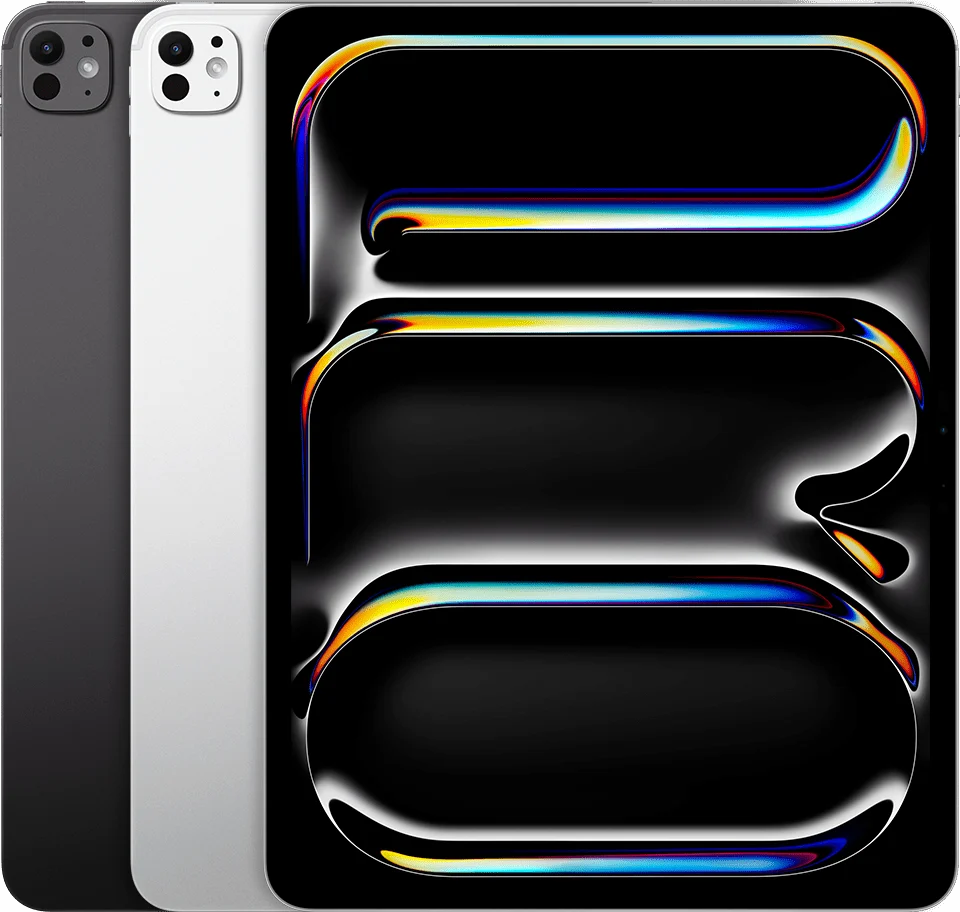
Apple’s long-term supply deals give it more protection than most, though it hasn’t escaped. On 25 June 2026 it raised prices across its iPad and Mac ranges, with no change to the products themselves. Computing reported that in the UK the MacBook Air went from £1,099 to £1,299, the iPad Air from £599 to £749, and the MacBook Pro went up by £300.
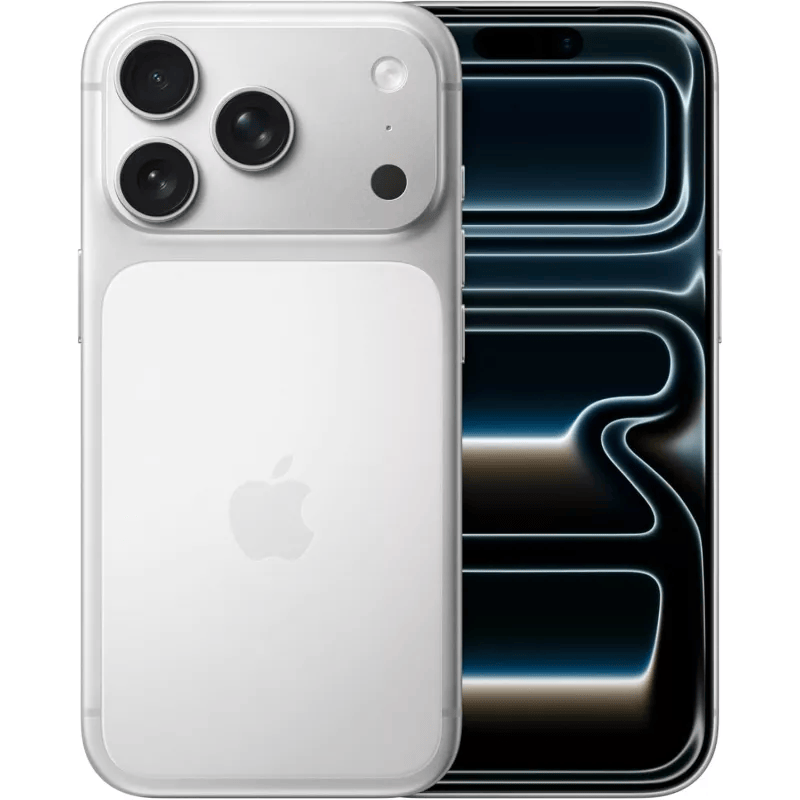
The new iPhones followed suit. The iPhone 18 Pro starts at £1,199, while last year’s iPhone 17 Pro launched at £1,099 with the same starting storage. That’s an extra £100 for the entry Pro model in a single year.
Consoles have been hit even harder
Games consoles have seen some of the biggest jumps of all. Microsoft was the most direct about why. When it raised Xbox prices in the UK on 1 August 2026, it said console storage and memory prices had gone up more than 2.5 times, and that it expects them to double again by autumn 2027. The new UK prices took the Xbox Series S 512GB from £299.99 to £429.99, and the Series X disc edition from £499.99 to £669.99.
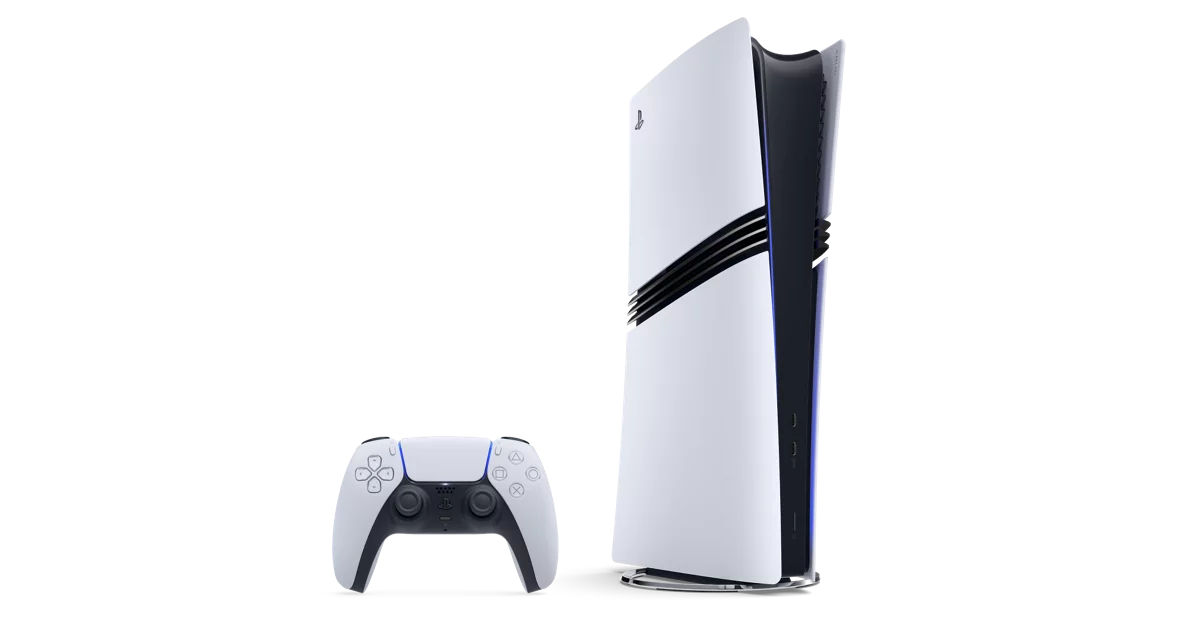
Sony added £90 to every PS5 model in April, taking the standard PS5 from £479.99 to £569.99, the Digital Edition from £429.99 to £519.99 and the PS5 Pro from £699.99 to £789.99, according to GB News. Sony pointed to pressures in the global economy rather than memory specifically. Nintendo followed on 1 September, moving the Switch 2 from £395.99 to £419.99 and citing market conditions it expects to last over the medium to long term.
It’s not just prices going up
When memory gets expensive, manufacturers can charge more or put less in the box. Plenty are doing both. IDC expects this year’s flagship phones to arrive with no RAM upgrade over last year’s, and says budget and mid-range devices will see the steepest rises because their margins are thinnest. Counterpoint Research has a name for it, shrinkflation, where a new phone costs the same or more while offering much the same as the one before it.
So a new model isn’t automatically a meaningful step up any more. It’s worth comparing it properly against last year’s before you buy.
How long will the shortage last?
Longer than most of us would like. Micron’s chief executive expects it to last through 2027, with supply only starting to improve in 2028. Samsung doesn’t expect any meaningful increase in supply through 2028 and thinks things will get tighter in 2027. SK Hynix, meanwhile, sees it running until 2030.
New memory factories take years to build and bring online. If you’re holding out for new tech prices to drop back to 2025 levels, you could be waiting a good while.
Why refurbished makes more sense in 2026
A refurbished iPhone, iPad, MacBook or console was built before this year’s memory price spike. Its chips are already inside it, so what you pay reflects what the device is worth today, not what memory costs in 2026. That’s the key difference.
“The memory shortage has changed the maths on buying tech. A refurbished phone or laptop was built before chip prices spiked, so you’re paying for the device itself, not for this year’s memory costs. With the chip makers saying the shortage will run into 2028, we don’t expect new prices to come back down any time soon. Our advice is to compare what a new model actually adds over last year’s, because in 2026 the answer is often very little.”
Sam Hargreaves, Owner, The iOutlet
The analysts expect shoppers to respond in the same way. Gartner says the price surge will lead people buying entry-level smartphones to choose refurbished or second-hand models, or to hang on to their current phone for longer, and it expects consumers to keep their PCs around 20% longer by the end of 2026. Counterpoint Research found that weak confidence in new devices was already driving demand for refurbished phones in the first quarter of the year, and by the second quarter global smartphone shipments had dropped to their lowest second-quarter level since 2013.
What UK shoppers are searching for
You can see the shift in what people are searching for. Google Trends data for the UK shows interest in “refurbished iPhone” was around 43% higher in the first nine months of 2026 than over the same months of 2025, and interest in “refurbished laptop” was up around 51%. The busiest weeks of the year so far came in August, just before the new iPhones landed.
Refurbished tech isn’t completely immune. As more people turn to it, demand for good-condition devices goes up too, a knock-on effect PCMag flagged as memory prices began to climb. Popular models in the top grades can sell quickly. What matters is the gap between new and refurbished, and with new prices rising faster, that gap is where the value is.
How to buy refurbished well
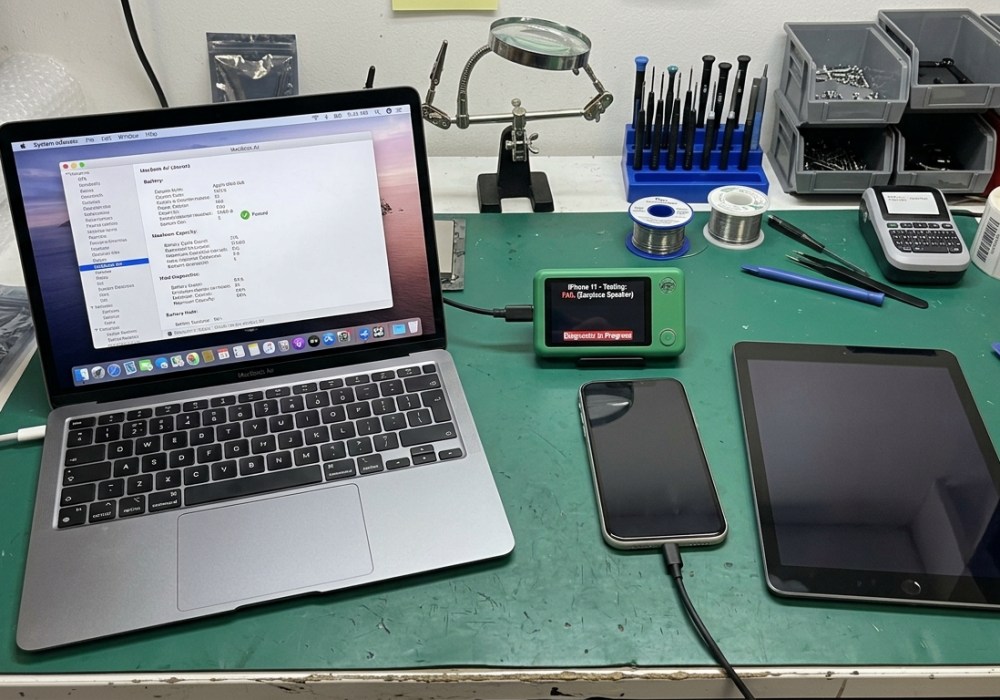
A refurbished device is only as good as the checks behind it, so it’s worth knowing what to look for wherever you buy. Start with the warranty. Every device from us comes with a free 12-month warranty, so if anything goes wrong, we’ll put it right. Look for clear condition grading too. We grade everything A+ Pristine, A Excellent, B Good or C Average, and the insides are held to the same standard whatever the grade, so a lower grade is simply a way to pay less for the same performance.
Battery health is the thing people worry about most, so check the seller tests it. Ours is checked on every phone, and you can add a brand new battery at checkout if you’d rather start fresh. Every device we sell also goes through a 70+ point check before it’s listed, and arrives unlocked, contract free and checked against lost and stolen databases.
If you’re still on the fence, our guide Is a refurbished iPhone safe to buy? covers the usual worries, and our refurbished iPhone buyer’s guide for 2026 will help you pick a model.
Which devices are worth a look?
iPhones. With the entry iPhone 18 Pro now at £1,199, a refurbished iPhone 17 Pro gets you last year’s flagship without this year’s memory premium. The iPhone 16 and iPhone 15 are solid performers for everyday use, and the iPhone 13 makes a great value starter phone. Our iPhone 16 vs iPhone 17 comparison can help you decide, or you can browse all refurbished iPhones. On a tighter budget, have a look at our pick of the best refurbished iPhones under £300.
MacBooks. Laptops are where prices have gone up the most. A refurbished MacBook Air avoids the £200 Apple added to the new one in June. Not sure which Mac suits you? Have a read of What Mac is best for me? or browse all refurbished Macs.
iPads. iPad prices went up across the range in June. Our refurbished iPads cover everything from a first tablet for the kids to the iPad Pro.
Consoles. With new console prices up by as much as £170 this year, a refurbished console is one of the easiest ways to dodge the rise. You’ll find a refurbished PS5, an Xbox Series X or Xbox Series S, and the Nintendo Switch 2 in our refurbished games consoles range. If you’re weighing one up for GTA 6, our guide to the best console for GTA 6 is a good place to start.
It’s also worth checking our hot deals for the latest reductions across every category.
Selling your old device
Got an old phone, tablet, watch or console sitting in a drawer? Selling it can help cover the cost of your next one. Get a quote through Sell My Gadget and put the money towards your upgrade. It keeps a perfectly good device in use rather than gathering dust, which is no bad thing either.
Frequently asked questions
Why are phones and laptops more expensive in 2026?
Memory chip makers have moved production over to AI data centres, which leaves less memory for phones, tablets, laptops and consoles. Gartner expects this to push PC prices up by 17% and smartphone prices up by 13% compared with 2025.
Does the memory shortage affect refurbished prices?
Not directly. A refurbished device already has its memory inside it, so its price isn’t driven by what chips cost today. More demand for refurbished can firm up prices on popular models, though the chip costs pushing up new prices don’t apply.
When will the memory shortage end?
Micron expects it to last through 2027 and ease from 2028. SK Hynix expects it to run until 2030.
Is it better to buy refurbished or wait for prices to fall?
With the chip makers themselves expecting the shortage to run into 2028 or beyond, waiting probably won’t bring new prices down any time soon. A refurbished device with a 12-month warranty lets you upgrade now without paying the memory premium.