
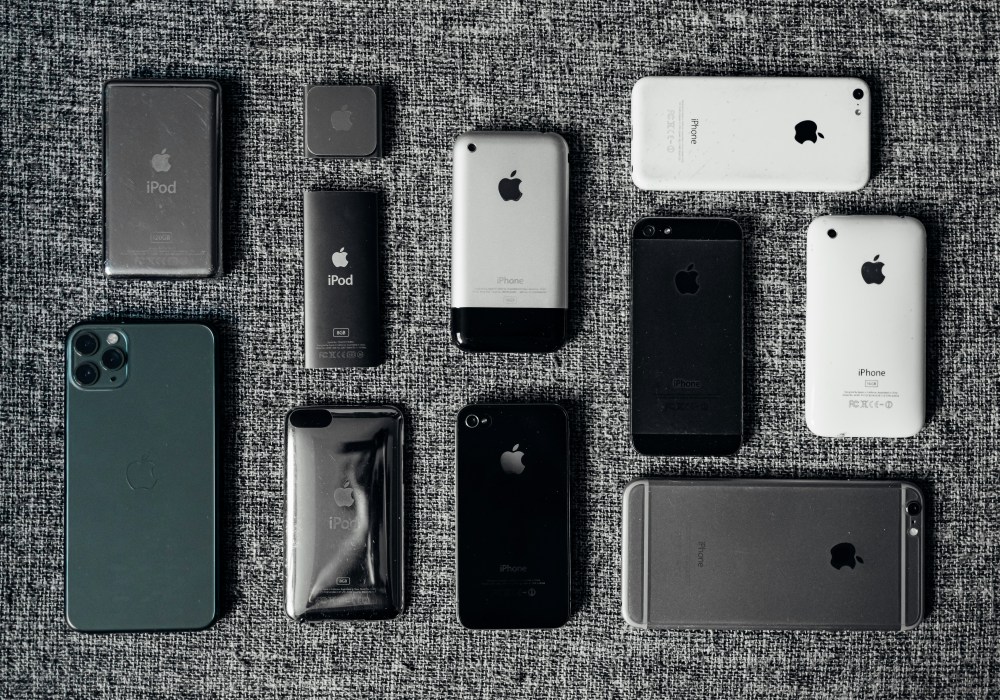
Apple will be turning 50 in April, so here at The iOutlet we thought we’d look back at how they’ve changed how we all use technology today. Over five decades, they have released products that did more than sell well. The iPod, iPhone and iPad reshaped habits. They influenced how we listen to music, how we communicate, how we work and even how we pay for things.
When people talk about how Apple changed technology, they often focus on big product launches. The more interesting story is how behaviour shifted afterwards. Some of those shifts have been positive, others are more complicated. Looking back at the history of the iPod, the history of the iPhone and the history of the iPad gives a clearer picture of Apple’s impact on the tech industry.
A Short Timeline of Apple’s Biggest Technology Shifts
- 2001 – Apple launches the iPod and iTunes, bringing digital music into the mainstream.
- 2007 – The first iPhone introduces a touchscreen smartphone with a full web browser.
- 2008 – The App Store launches, creating a global marketplace for mobile apps.
- 2010 – The iPad arrives and helps define the modern tablet category.
- 2015 – Apple Watch launches, bringing wearable health tracking to millions of users.
- 2019 – Apple Pay becomes widely accepted across many countries.
- Onwards – Apple continues expanding into handheld devices, spatial computing and health technology.
These milestones shaped how technology entered everyday life. The biggest shifts came from three devices that changed how people interact with technology every day…
First, how the iPod changed music
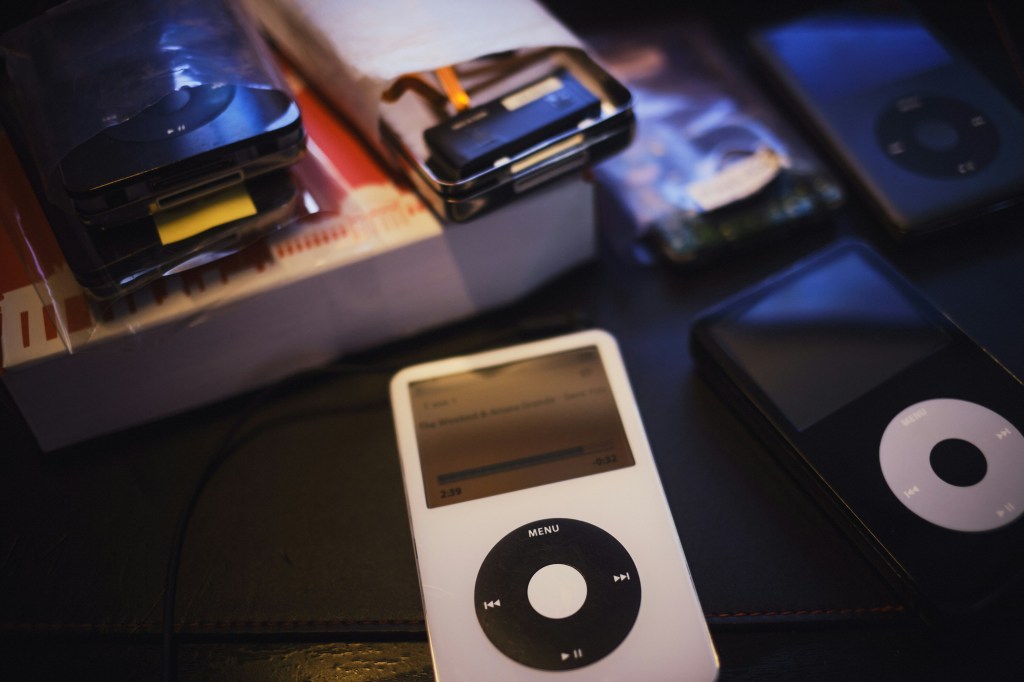
The iPod arrived at a time when digital music felt messy. MP3 players existed, but they were clunky, downloading songs was often confusing and CDs were still the norm. The iPod simplified the process. You could carry thousands of songs in your pocket and manage them through iTunes, that shift alone altered listening habits.
Owning a digital music library became normal, instead of carrying cases of CDs, people synced playlists. Commuting, travelling and exercising all started to look different. Music became more portable and more personal. The history of the iPod is closely tied to the mainstream acceptance of digital files.
iTunes also changed how music was bought. Instead of purchasing a full album, people could buy a single track. That had a direct impact on artists and record labels, it changed how albums were structured and marketed.
Over time, this paved the way for the giant streaming industry we see today. Subscription services built on the idea that music was already digital and portable. While Apple was not alone in driving that change, the iPod and iTunes made it practical for millions of people and industries were built around it.
There were downsides. Physical music shops declined. Album artwork and liner notes became less central to the experience. The value of music shifted in the minds of many consumers. When everything is stored on a device, it can feel less tangible.
Still, the broader impact is clear. The iPod did not just sell in large numbers. It normalised digital ownership and changed expectations around convenience. Today, even as dedicated music players are rare, the habits formed during that era remain.
How the iPhone Changed Phones and Daily Life
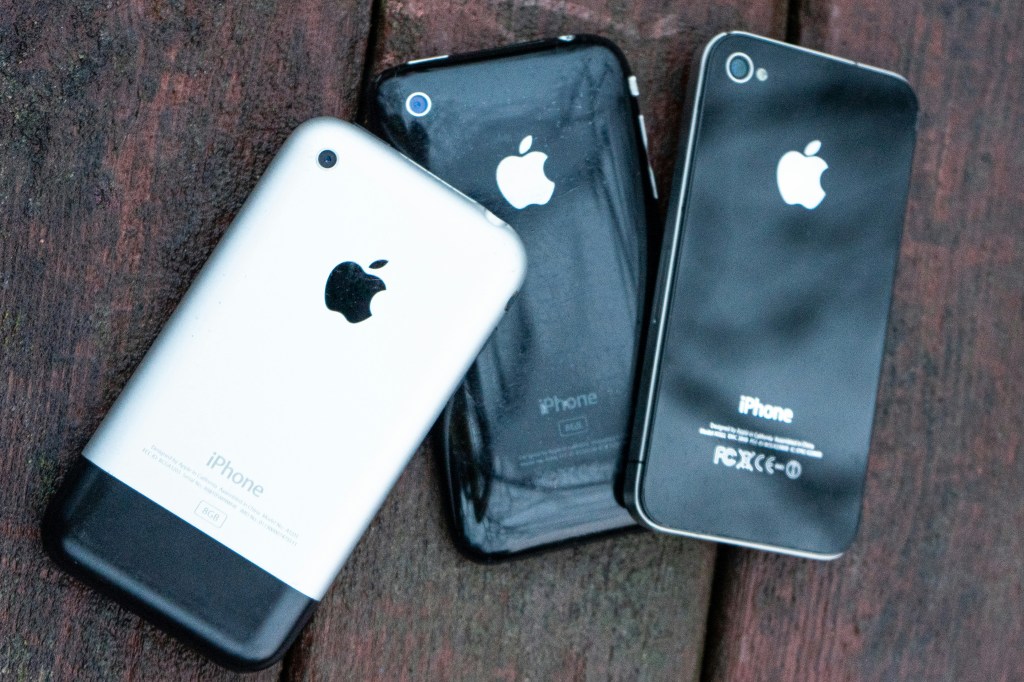
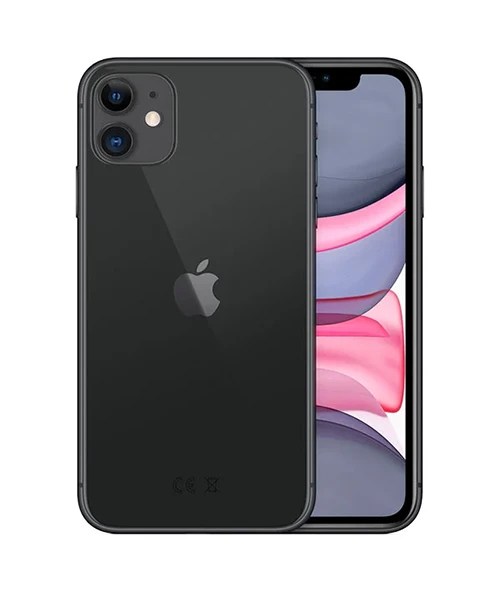
The history of the iPhone is often described as a turning point. Before its launch, most phones relied on physical keyboards and limited web browsing. Touchscreens existed, but they were not yet standard, then the iPhone made a large touchscreen the default we expect to see.
That design decision reshaped the entire smartphone market. Within a few years, most manufacturers followed the same format. Physical keyboards faded. App-based interfaces became the norm. The way people interacted with their devices changed almost overnight.
The App Store was just as significant. It created a platform where developers could build and distribute software to a global audience. Entire industries grew from that foundation. Food delivery services, ride-hailing apps, fitness tracking platforms and social media networks all relied on the smartphone as their base, and still do today.
For users, the iPhone gradually replaced multiple devices. It became a camera, a map, a music player, a wallet and a web browser. Instead of carrying separate gadgets, everything lived in one place. That consolidation changed daily routines.
Long software support also played a role. Apple devices often receive updates for five or more years. That longevity builds trust. It means an older iPhone can remain usable for longer than many people expect. Devices that continue receiving updates often hold their value, which is why many people choose a refurbished iPhone rather than buying new.
The picture is not entirely positive. Constant connectivity has reshaped attention spans. Social media grew rapidly on the back of smartphones. Notifications became a constant presence. Work and personal life began to overlap more than ever before. Upgrade culture also intensified, each new release brought improvements in cameras, speed and design. Marketing cycles encouraged regular replacements. Flagship pricing increased steadily, which made the latest model less accessible to some users.
Even so, the broader Apple impact on the tech industry is hard to ignore. The iPhone set expectations around simplicity, design and long-term updates. Whether someone buys new or chooses a refurbished device, those standards still shape purchasing decisions.
How the iPad Changed Computing
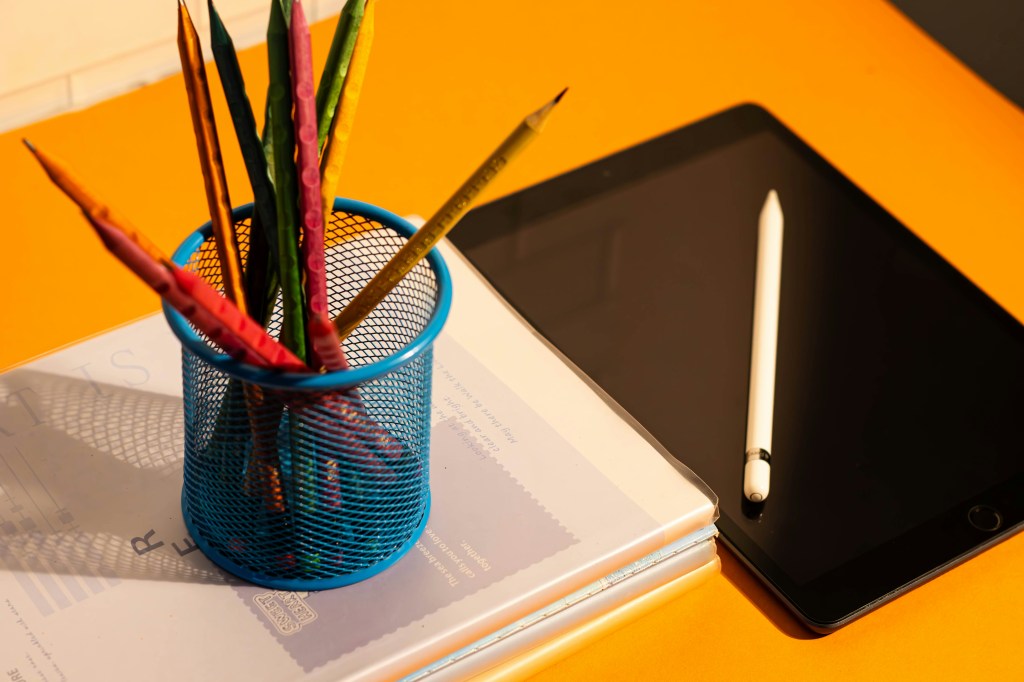
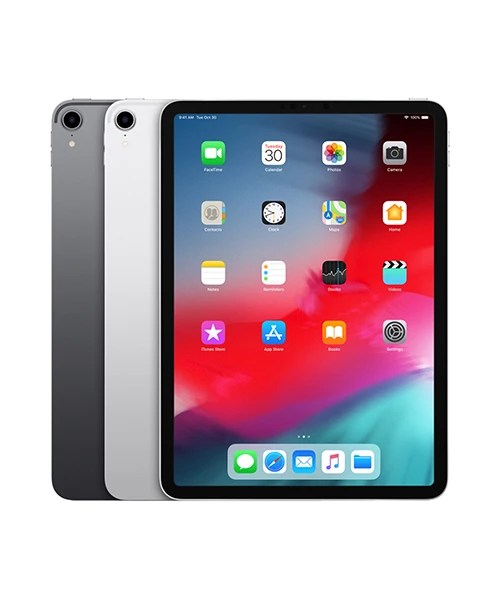
When the iPad was introduced, some people struggled to see its place. It was larger than a phone but not a full laptop. Over time, that in-between space proved useful.
The history of the iPad shows how tablets became mainstream. For media consumption, they offered a larger screen without the bulk of a laptop. Watching films, reading books and browsing the web felt comfortable and portable.
In schools, tablets gained traction because they were easy to use and relatively simple to manage. For creative work, particularly drawing and design, the iPad combined touch input with stylus support. It gave people another way to interact with digital content.
For many households, the iPad became a shared device. It sat on kitchen tables or in living rooms. It was used for streaming, video calls and light productivity tasks. That shift changed how computing was distributed across a home.
There were trade-offs. Increased screen time became a concern. Traditional PC sales were affected as some users opted for tablets instead of upgrading their laptops. The line between work and leisure blurred even further.
At the same time, iPads have shown strong longevity. Older models often remain capable for everyday tasks years after release. With continued software updates and solid build quality, many are still in circulation. That durability supports resale value and makes refurbished options practical for students and families.
The iPad did not replace laptops entirely. Instead, it expanded the definition of what personal computing could look like.
From Devices to Ecosystem
Over time, Apple moved beyond individual devices. It built what is now known as the Apple ecosystem. The iPhone connects to the iPad, which connects to the Mac, which syncs with the Apple Watch. Data flows between them through shared accounts and cloud services.
This integration encouraged loyalty. When devices work well together, switching becomes less attractive. Familiar design and consistent software support reinforced that loyalty. Many users stay within the ecosystem because it feels predictable and stable.
The App Store played a central role in this shift. It enabled a developer economy where small teams could build global businesses. subscription models became common, apps for productivity, fitness, gaming and communication all found a home inside one platform.
There are trade-offs here too. Centralised control means Apple sets rules around fees, approvals and distribution. Developers depend on that structure, consumers benefit from consistency, but the balance of control remains part of the wider conversation about digital marketplaces.
From a user perspective, the ecosystem approach simplified technology. Messages sync across devices. Photos appear everywhere. Payments and passwords carry over. That convenience shaped expectations across the industry.
It also influenced resale and refurbished markets. Devices that integrate well and receive long software support tend to retain value. A phone or tablet that still fits neatly into an ecosystem remains useful, even if it is not the latest release.
Expansion into New Markets
In recent years, Apple has expanded into areas beyond traditional consumer electronics.
Healthcare is one example. Apple Health and the Apple Watch brought heart rate monitoring, ECG readings and fitness tracking to a mainstream audience. For many users, wearable tech is less about notifications and more about daily activity and wellbeing.
Health data being accessible on a personal device changed how people engage with their own metrics. It also sparked discussions around privacy and data management. The integration of health tools into consumer devices is now widely accepted.
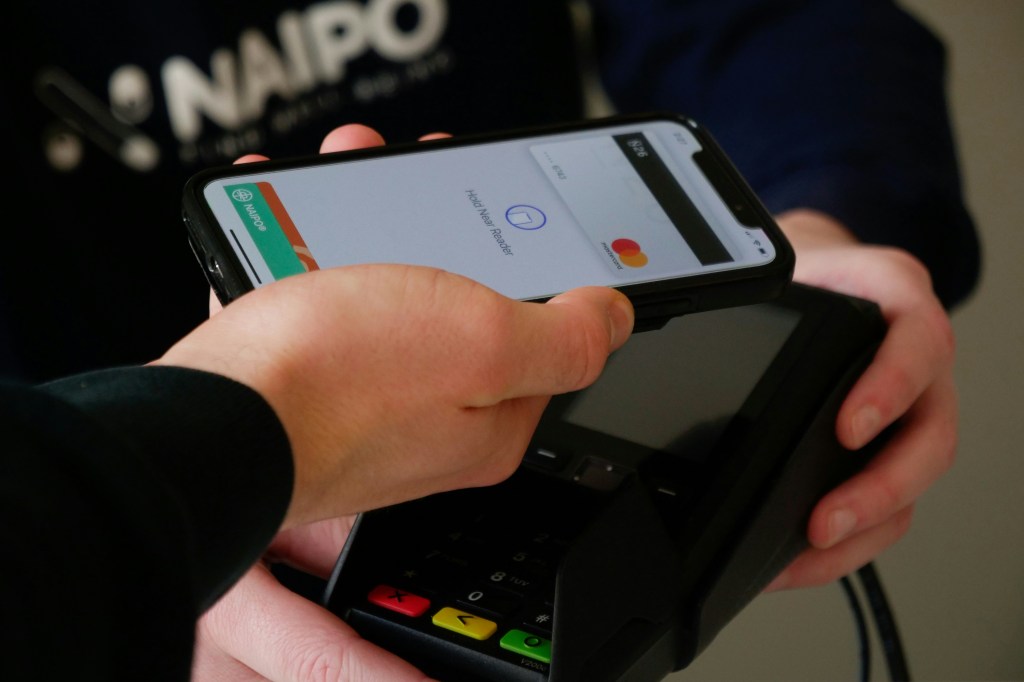
Finance is another area. Apple Pay helped normalise contactless payments through phones and watches. Paying with a device once felt unusual. Now it is common in many parts of the world.
More recently, spatial computing and products like Apple Vision Pro signal interest in new categories. Whether these devices become everyday tools or remain niche will depend on adoption, cost and practical use cases.
These expansions show how Apple shifted from selling standalone hardware to building platforms that influence multiple industries. The Apple ecosystem now touches health, finance and entertainment in ways that would have been difficult to imagine decades ago.
The Good and the Complicated
Looking back at Apple’s 50th anniversary, it is clear that the company influenced more than product design. It influenced habits.
The biggest shift Apple created may not be a single device. It is the expectation that technology should feel simple, update regularly and last for years. Those expectations influence how people judge every new product.
That longevity is also why older Apple devices still have a place in today’s market. Phones and tablets designed to receive years of updates remain usable well beyond their launch date. In many cases, they work like they should long after the marketing cycle has moved on.
Devices built to last are worth keeping in circulation. They carry value, both financially and environmentally. Choosing refurbished is not about settling for less, it’s about recognising that well-supported technology can continue to serve its purpose.
Fifty years after its founding, Apple’s story is not just about innovation. It is about habits; how we listen, how we communicate, how we pay, how we track our health, and much more.
If you are upgrading, it is worth checking what your current device is still worth. Technology moves forward, but that does not mean older devices stop being useful. Often, they are simply ready for a second life.